
We write down how the decision was made
Boards in regulated industries decide before the evidence is complete. They have no choice. What survives is the paper: what was known that week, and what was still missing when the vote was taken. We write that paper. Two years later, when a regulator reopens the file, it is the only thing left to read.

Printed figures, working papers from a framing week. The question narrows until the board can answer it from what is already on the table.
Contents
The work starts with a question and ends with a file
Chapters one to seven set out the method. What follows is the evidence that it holds.
The narrow question
Most board papers answer a question nobody asked out loud. The first two weeks cut the question down. The test is simple: can the board answer it with evidence that exists, or evidence it can get before the vote. Then we name the evidence that would change the answer. When that second list comes back empty, the question is still too wide, and we say so before anyone spends money on it.
Decision framing, two weeksEvidence and its limits
Four to eight weeks of gathering and checking. We write down where each piece came from, how far it can be pushed, and where it stops. Some of what the board wants cannot be known before the vote, and that sentence goes in the file with everything else. A limit of confidence recorded at the time is worth more later than a number nobody can trace back.
Evidence review, four to eight weeks01
What was known that week.
02
What was not.
03
Which alternatives were considered.
04
Why this one was chosen.
The written record
The file holds those four things. Every recommendation ends with a section on what would make it wrong. The material stays with the client in editable form, so the next board can keep writing in it rather than start again.
How the record is builtThe handover session
Two weeks to cut the reasoning down to what a forty minute board session can hold, then a partner runs the session. Most of those two weeks goes on what to leave out. The long file stays behind the short one, kept whole, so a partner can trace any line back to the evidence it rests on.
Board handover, two weeksThree engagements
A full cycle runs eight to twelve weeks. Boards usually take the three parts in order. Some clients arrive with the question already narrowed by someone else, and take the evidence review alone.
The four sectors
Energy and utilities, health systems, financial services, public infrastructure. Nine sector regulators cover those four, and any of them can reopen a decision years after the vote. What they want at the end is the same thing: the reasoning, written down and dated.
01
Energy and utilities
The regulator wanted reasoning
A network operator set a tariff on evidence that was still moving, and the regulator reopened the file nineteen months later.
02
Health systems
The evidence arrived after the vote
A hospital network had to commit to imaging equipment months before the clinical evaluation of one system reported.
03
Financial services
Two committees, one decision
A bank’s risk and strategy committees read the same data and reached opposite conclusions the board could not choose between.
04
Public infrastructure
A decision nobody could reconstruct
A water utility inherited an eleven year investment programme, four hundred slides, and no record of the alternatives.
How a file runs
The method, in fullTwo of the four are on every file, and one of them is always a partner.
No juniors on the analysis.
The person who wrote the limits of confidence is the person in the room when the board pushes on them.
Five files
Five files we can describe without breaking a confidence. One of the five was reopened nineteen months after the vote.

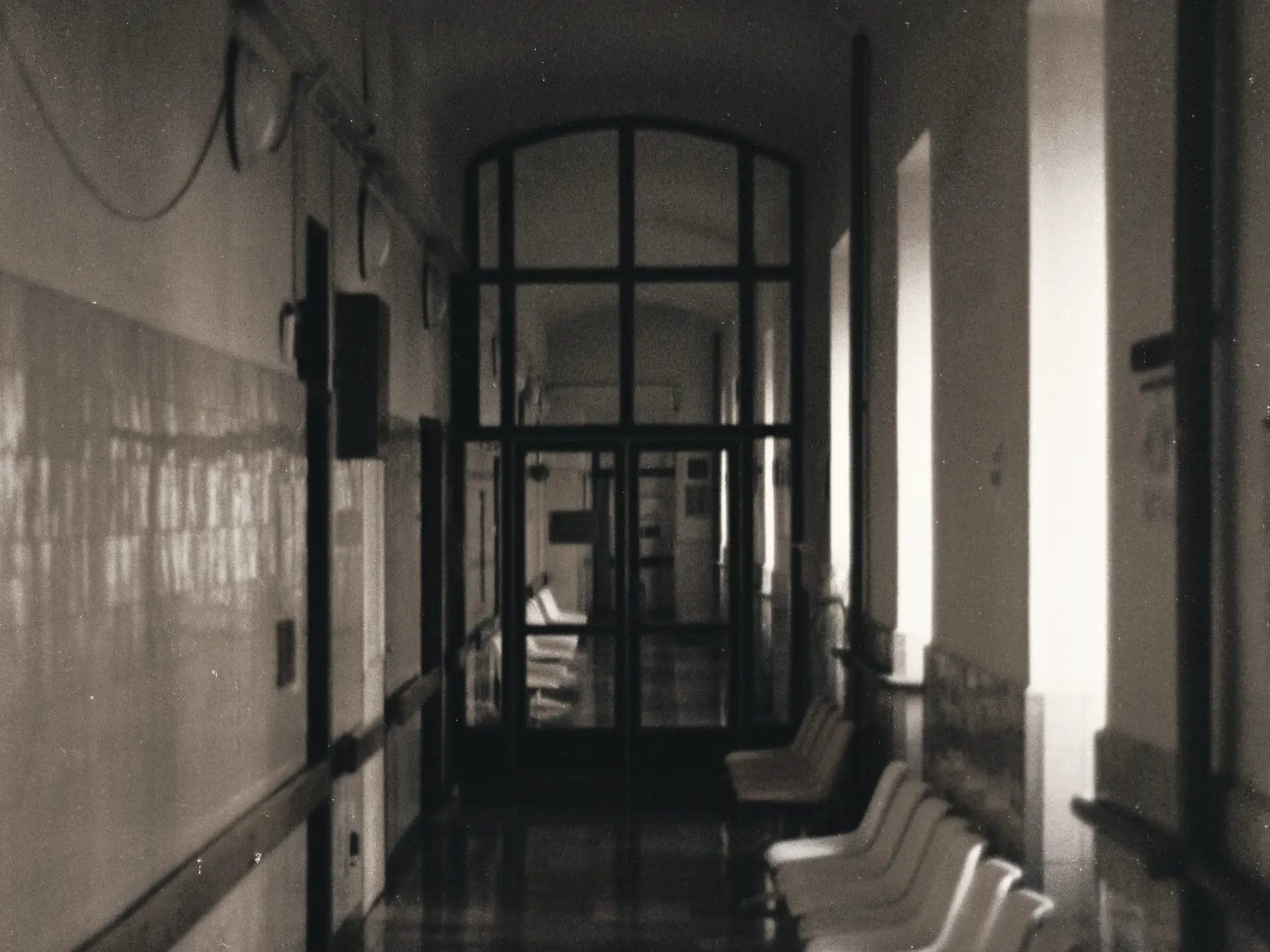


The decision archive
In one archive that Anders Vik keeps. We read our own files back. When a recommendation aged badly, the section on what would make it wrong is still there, in the writer’s own words.
Inside the archiveThe people on file
Four people. Two partners, two principals. Two of them are on your file from the first meeting to the board session, and one of the two is always a partner. Both names are on the document.

Mireille Osei
Partner, energy and utilities
Four years on an energy regulator’s appeal panel.

Tomas Reinholt
Partner, health systems
Built clinical trial protocols before Plenary.

Nadia Fournier
Principal, financial services
Writes most of the firm’s method.

Anders Vik
Principal, public infrastructure
Keeps the decision archive, the one cited in cases.
What we publish
Short notes on the craft, drawn from the method. Nadia Fournier writes most of it.
01
Board practiceWhat a board actually reads
A board pack is written in the order the work happened. It is read in the order the risk sits, and those two orders are almost never the same.
02
The recordThe minute that matters
Most minutes record attendance, motions and results, and nothing more is asked of them. The minute that protects a board records the reasoning, and it runs two paragraphs longer.
03
EvidenceWhen the evidence arrives late
Evidence does not arrive on the board calendar. Decide before the vote what would count as a reason to look again, and the late arrival becomes a check instead of an argument.
04
ReviewWriting for the person who will disagree
Most advisory writing is built for a reader who already accepts the premise. That reader does not need it. The other one reads it at the appeal.
Mireille Osei, Partner, energy and utilities
3 min read
Read: Writing for the person who will disagree05
MethodHow to say what you do not know
Advisers edit the uncertainty out in the final pass, because it reads as weakness. That edit is what makes the material fail at the audit.

The boardroom before the session. Eight pages, printed for a board that asked for eight pages. The file behind them is intact.
What we will not do
Those are conditions of taking the file, not preferences we mention afterwards.
We do not take a file where the answer is already chosen and the work is there as cover for it.
A recommendation goes to a board with the section on what would make it wrong, or it does not go.
The figures
Five numbers we can stand behind. Each one traces back to the files it came from.
Where the numbers come from112
files, between 2019 and 2026
9
sector regulators over the work
2
of the 4 on every file, one of them a partner
8 to 12
weeks for a full cycle
40
minutes, what a board session takes
The first conversation
One call with the person who covers your sector. Bring the question in the words your board currently uses, and the date it has to be answered by. By the end of the call you will know whether the question is narrow enough yet, and whether this is work we should take. No proposal pack follows.
Ask for the callHow to reach us
Write to us directly. One paragraph is enough: the sector, the decision in front of the board, and the week it is due. All four of us see what arrives. The reply comes from the one who covers that sector, and that is the one who would carry the file. If the question belongs to someone else, we say so, in writing, and name what we think it needs.
Write to usAll four of us see what arrives
01 Mireille Osei, Partner, energy and utilities
02 Tomas Reinholt, Partner, health systems
03 Nadia Fournier, Principal, financial services
04 Anders Vik, Principal, public infrastructure
Colophon
Plenary. Decision advisory for boards and executive committees in regulated industries. Files kept since 2019.