
A decision nobody could reconstruct
A water utility inherited an eleven year investment programme, four hundred slides, and no record of the alternatives.
Engagement
Evidence review, 4 to 8 weeks, then board handover, 2 weeks.
The decision in front of the board
The utility was part way through an eleven year investment programme. Most of the board that approved it had turned over. The new board wanted to know why the programme had this shape: this sequence of works, this split between treatment and network.
The archive held four hundred slides from the contractor who ran the original work. Every slide argued for the programme as built. None recorded what else had been considered, or what ruled those options out. That becomes a problem the day the circumstances change. To reopen a decision you have to know what came second, and why it came second.
What Plenary did
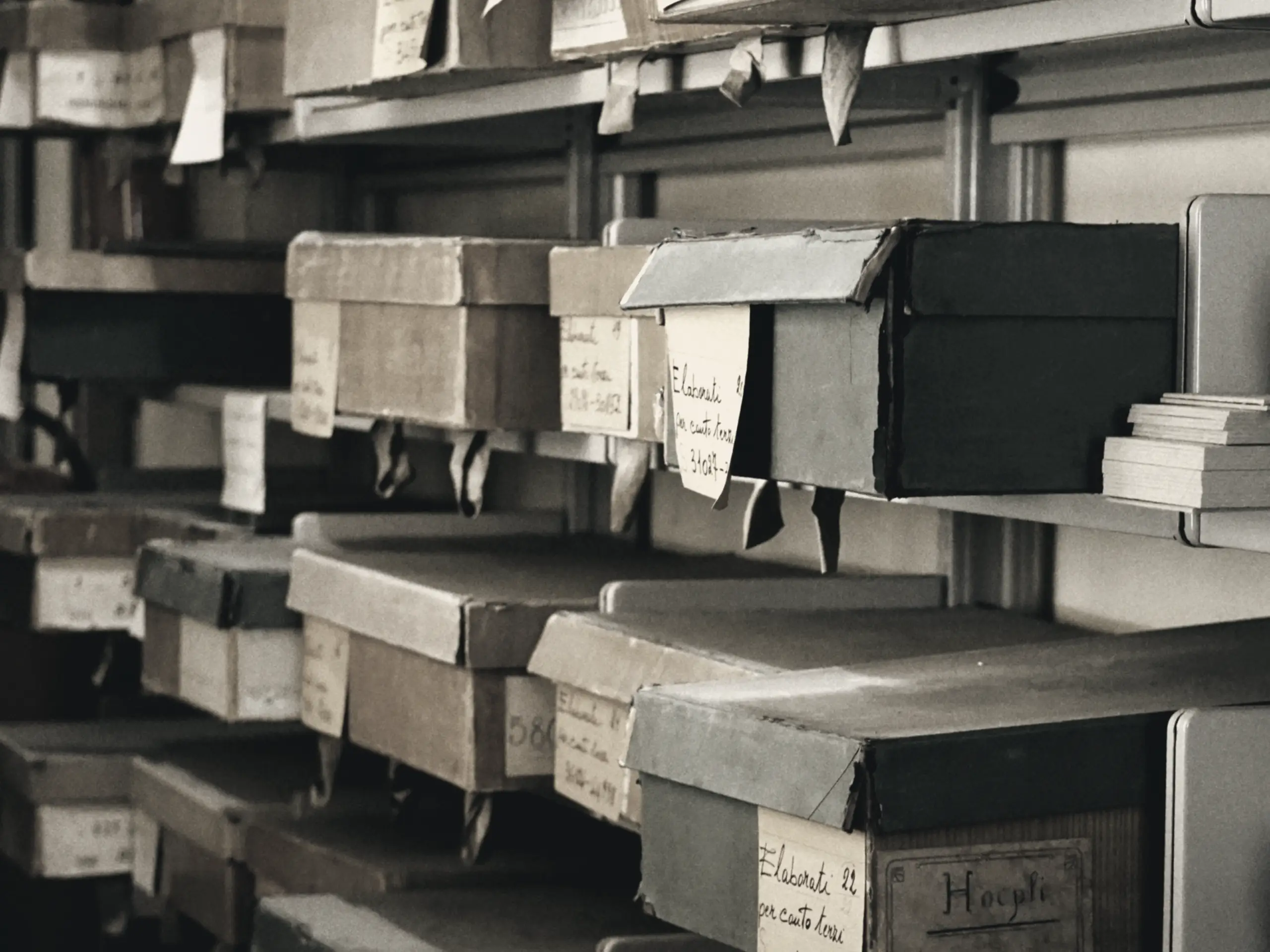
We went behind the slides. We read model versions with dates, the drafts that preceded the final deck, steering papers, and the calendar of who met whom. We interviewed the people still reachable, and asked what had been on the table before we showed them what we had found. Otherwise we would have collected agreement with our own reconstruction.
We rebuilt the option set as far as the evidence carried, and stopped where it did not. Some alternatives we could date and back with documents. Others we could name, with nothing left to back them. A few could not be recovered at all, and the record says exactly that. We left the utility a short document instead of a slide library, and a way to record the next decision when it is taken.
What happened next
File status
Rebuilt from the archive.
When the board reopened the phasing
It started from a written option set instead of a search through the archive. Two of the original alternatives were still live. The board reconsidered them on evidence, not on memory. Later decisions on the programme now enter the archive in the same form, on the day they are taken. The alternatives we could not recover are still missing. The board decided without them, and the record says so.
“We inherited four hundred slides and no memory of the choice. The next board inherits a document it can argue with.”
Ask which of these is closest to your file.
The gap is in what we can say, not in what we have done.